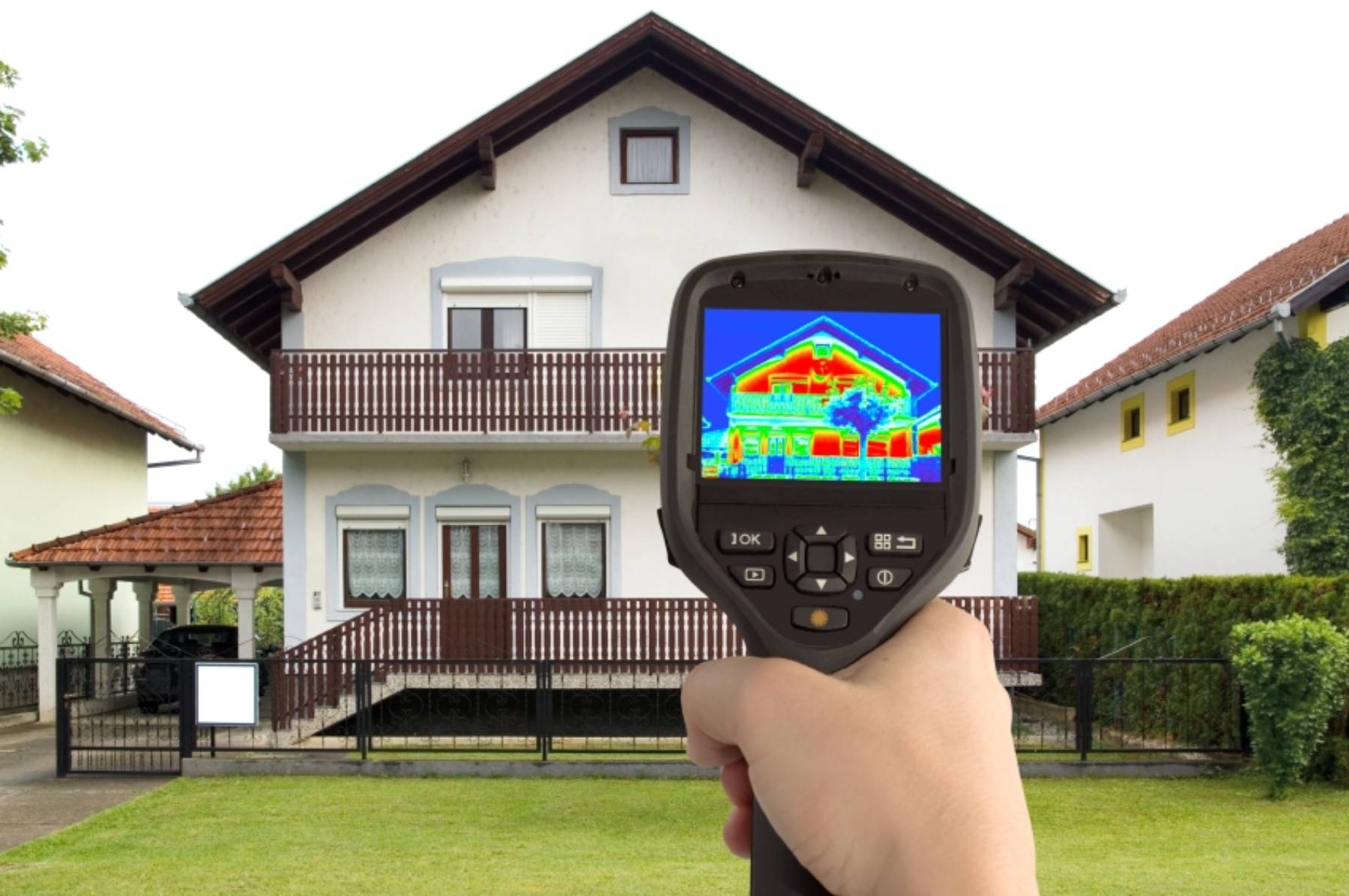
A thermal imaging inspection uses an infrared camera to capture surface temperature differences across a home’s walls, ceilings, and mechanical systems, revealing issues that a purely visual inspection can miss entirely. For homeowners and buyers across Baldwin County, Mobile County, Escambia County, Clarke County, Washington County, Conecuh County, Monroe County, Choctaw County, Marengo County, and Wilcox County, that extra layer of detail often catches problems well before they become visible, or expensive.
Sentinel Services includes thermal imaging as part of its inspection process, giving clients a clearer, more complete picture of a home’s true condition.
What a Thermal Imaging Inspection Actually Detects
An can reveal a surprising range of issues hidden behind finished surfaces. Missing or displaced insulation shows up as a temperature variation across a wall or ceiling that would otherwise look identical to the naked eye. Moisture intrusion around windows, roof penetrations, or plumbing lines often creates a distinct thermal signature long before a stain or soft spot appears. Overheating electrical connections, a genuine fire risk, register as unusually warm spots at outlets, switches, and panel components.
Why This Matters So Much for Gulf Coast Homes
South Alabama’s combination of intense summer heat, high humidity, and heavy seasonal rainfall creates ideal conditions for hidden moisture problems. Water intrusion around roof flashing or window seals can travel behind wall coverings for months without any visible sign, quietly damaging framing and encouraging mold growth the whole time. An inspection often catches these issues at a much earlier stage than a purely visual walkthrough, giving homeowners a real chance to address them before they become structural or health concerns.
Thermal Imaging and Energy Efficiency
Beyond identifying problems, a thermal imaging inspection also highlights where a home is losing conditioned air. The Department of Energy identifies air sealing and insulation as two of the most cost-effective ways to improve a home’s efficiency, and infrared imaging is one of the clearest ways to see exactly where those gaps exist. For homeowners running air conditioning for much of the year along the Gulf Coast, closing those gaps can mean a noticeable difference in monthly energy costs.
What a Thermal Imaging Inspection Looks Like in Practice
During this inspection, the inspector moves through the home with an infrared camera, scanning walls, ceilings, windows, and the electrical panel while comparing temperature patterns against what would be expected in a properly built and maintained home. Findings are documented with both the infrared image and a corresponding visual photo, giving homeowners and their contractors a clear, side-by-side reference for exactly where an issue is located.
Thermal Imaging for Buyers and Sellers
For buyers, an inspection adds a layer of confidence beyond what a standard visual inspection alone can provide, particularly for older homes where hidden moisture or electrical issues are more common. For sellers, addressing anything a thermal scan reveals before listing can prevent a surprise finding during the buyer’s own inspection process.
Frequently Asked Questions About Thermal Imaging Inspections
Is a thermal imaging inspection included with a standard home inspection? Sentinel Services includes thermal imaging as part of its inspection process, giving clients this added layer of detail without a separate scheduling step.
Can thermal imaging detect mold directly? Thermal imaging doesn’t detect mold itself, but it identifies the moisture conditions that often lead to mold growth, which helps flag areas worth a closer look.
Does weather affect a thermal imaging inspection? Yes. A meaningful temperature difference between indoor and outdoor conditions produces the clearest results, so timing and conditions are taken into account during the inspection.
Will a thermal imaging inspection find every hidden issue in a home? No inspection method catches everything, but thermal imaging significantly expands what’s detectable beyond a purely visual evaluation.
For more on how air sealing and insulation improvements identified through thermal imaging can improve a home’s efficiency, see the Department of Energy’s overview of home weatherization.
Choosing an Inspector Who Uses Thermal Imaging as Standard Practice
Not every inspection service includes thermal imaging as part of its standard process, and the ones that treat it as an optional add-on often reserve it for situations that already look suspicious. Building it into every inspection, rather than offering it only when something seems off, means issues get caught even when there’s no visible clue pointing to them yet, which is exactly the scenario where infrared imaging adds the most value.
See what a visual inspection alone can’t show you. Schedule your inspection with thermal imaging from Sentinel Services today.